Skip to content

Lepanthes telipogoniflora

Prolific bloomer

  • Light:☀️
  • Temperature:🌡️🌡️🌡️
  • Water:💦💦💦
  • Rest period: no
  • Scent: No
  • Location: Display cabinet/greenhouse
Original price 29,50€ - Original price 29,50€
Original price
29,50€
29,50€ - 29,50€
Current price 29,50€

incl. German VAT plus shipping costs
For cross-border deliveries, the rules of the respective EU country apply.

Delivery time:

DE: 2-3 business days (weather permitting)
EU: 3-5 business days (weather permitting)

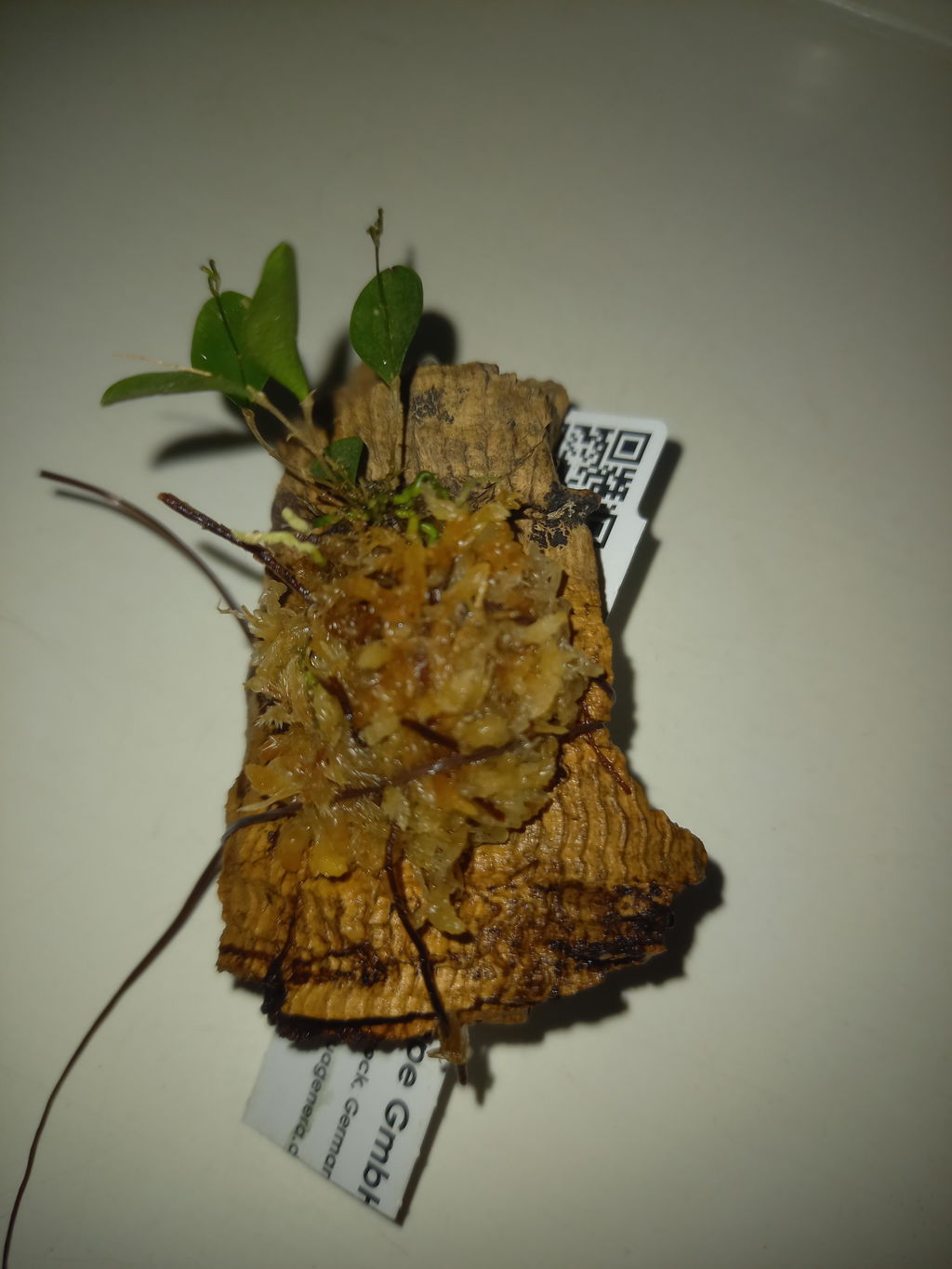
This image is for illustrative purposes only. The actual plant may differ in shape and color from the image. Plants are shipped without flowers.

Description

Lepanthes telipogoniflora

Name: Lepanthes telipogoniflora Schuit. & A.de Wilde
Etymology: telipogoniflora = Telipogon-flowered — refers to the visual similarity of the striking, flat flower structure with representatives of the genus Telipogon.

First description: 1996 by André Schuiteman and Antonius de Wilde in Orquideologia (20: 28).
Origin / Distribution: Colombia (endemic to the Risaralda Department).
Location / Habitat: Growing epiphytically in moist, tropical lowland to foothill forests at elevations of around 500 meters. It inhabits shaded, permanently moist areas on branches and thin twigs in a moist-warm to intermediate microclimate.
Description & Notes: Lepanthes telipogoniflora is a spectacular, extremely dwarf-like miniature orchid with slender, upright shoots enveloped by lepanthiform sheaths. Each shoot-bearing carries a single, small, elliptical leaf. The successively blooming inflorescence produces flat, huge flowers in relation to the plant size one after another, which can reach a diameter of up to 1.25 cm. The almost circular, flat disc is formed by the intensely orange-red to salmon-colored sepals, while the petals and lip are tiny in the center.

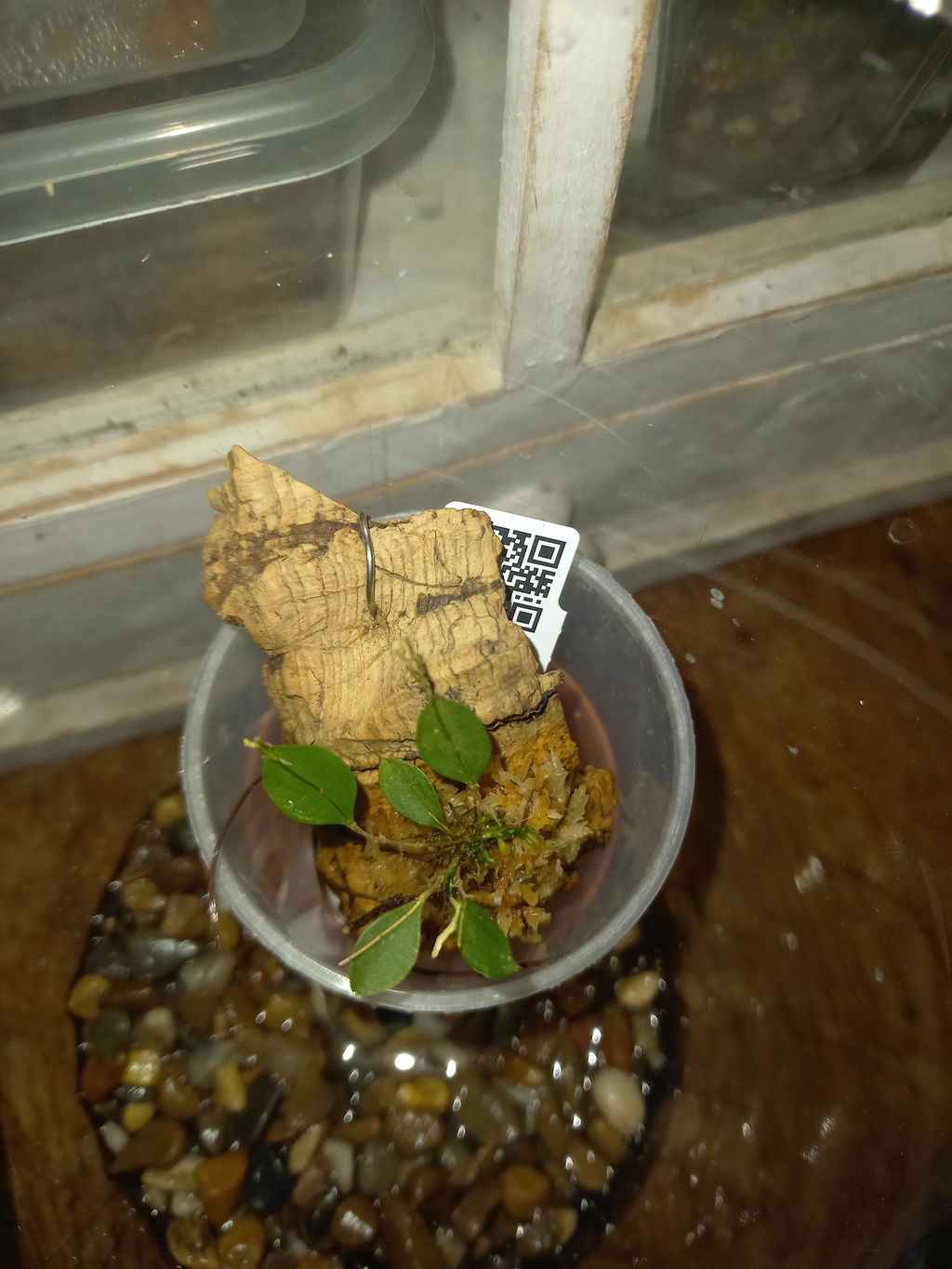
In cultivation, this rarity requires warm-temperate to intermediate conditions. Due to the lack of storage organs, the plant must never completely dry out. Cultivation is best successful when mounted on cork with a base of moist sphagnum moss or in tiny net pots. A constantly high humidity of over 75–80% as well as continuous, gentle air movement to prevent fungal infections are mandatory. Perfectly suited for well-controlled rainforest display cases and terrariums.